
Web design in Hilvarenbeek
Your website works evenings and weekends too. We design sites in Hilvarenbeek that keep selling when your office is closed.
- 300+ businesses helped
- 9+ years building digital growth
- Full IP-rights included
- Responsible use of AI We use AI where it makes the work better, never to replace the thinking.
What happens on your site after five o’clock?
-
Practical details are hard to find
Opening times, prices, routes and availability sit three clicks deep, exactly when someone wants to decide.
-
Photography does not match the place
Visitors around Hilvarenbeek see generic stock imagery instead of your own location, team and work.
-
No way to book or reserve
People who want to arrange something now have to wait for office hours, and often go elsewhere instead.
-
Search sends people to competitors
You rank for your company name, but not for what you actually sell in the region.
A collection of our work
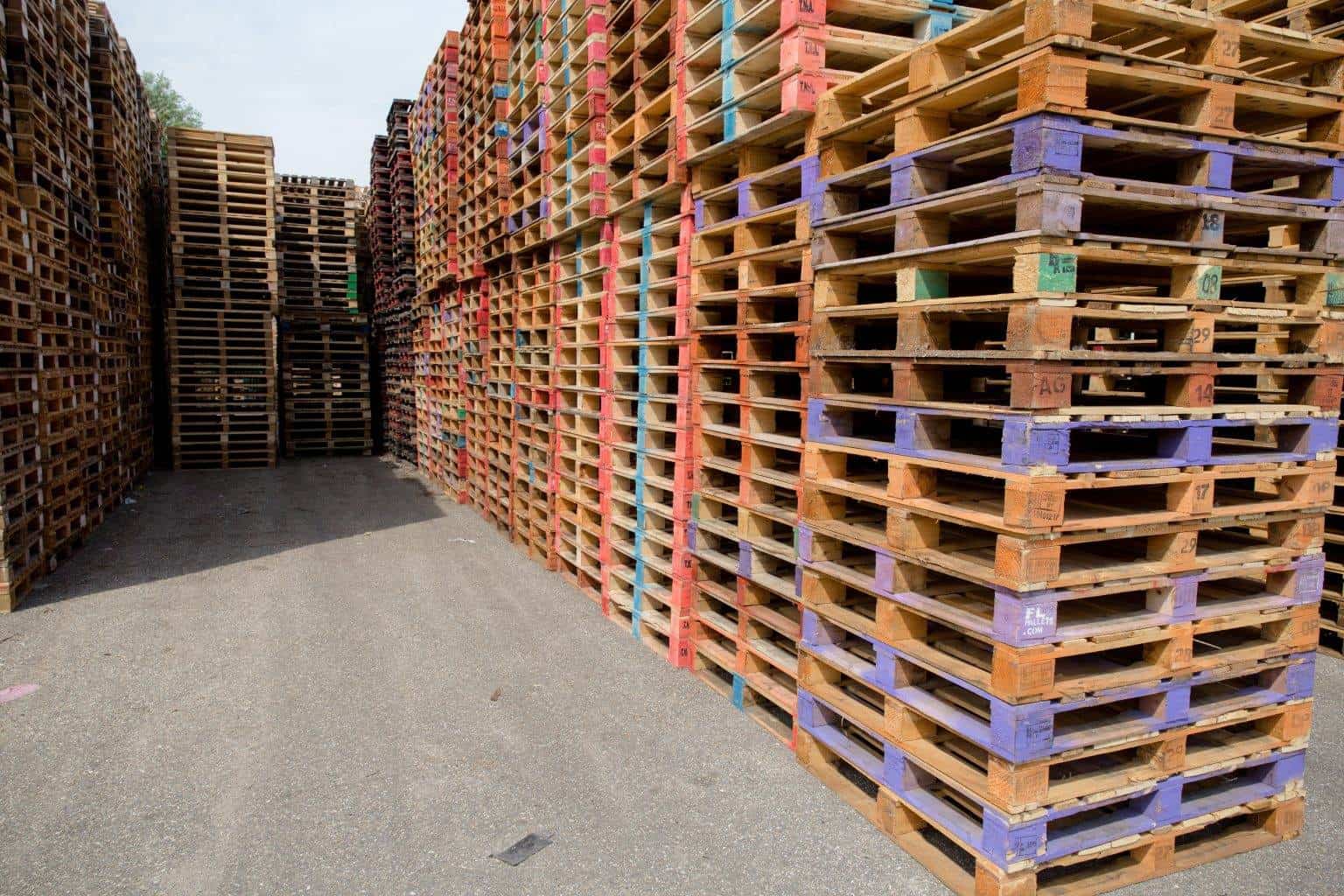
Pallethandel Den Bosch: a B2B webshop that takes orders around the clock
View case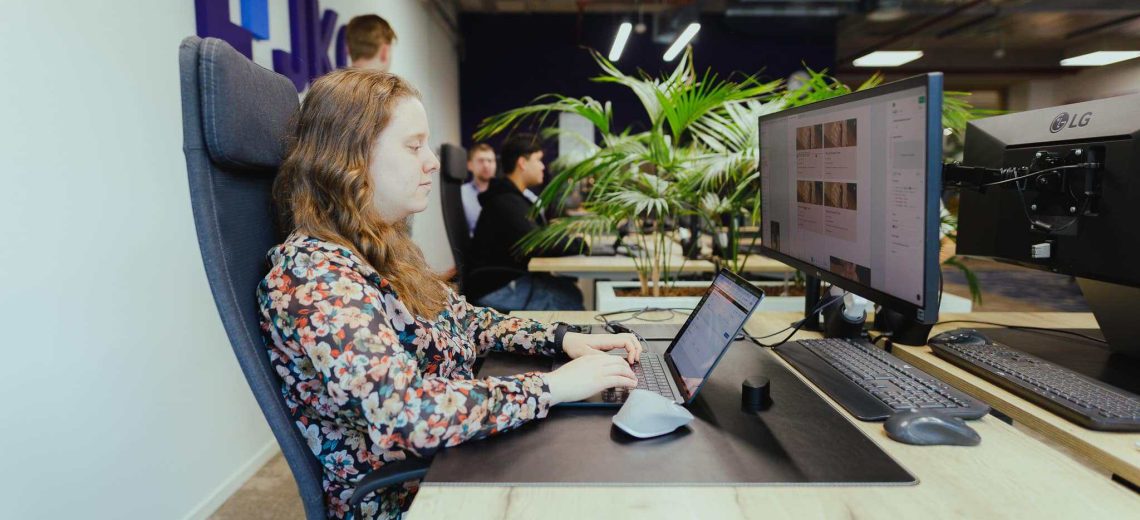
Medtech for breast cancer localization: a custom learning environment
View case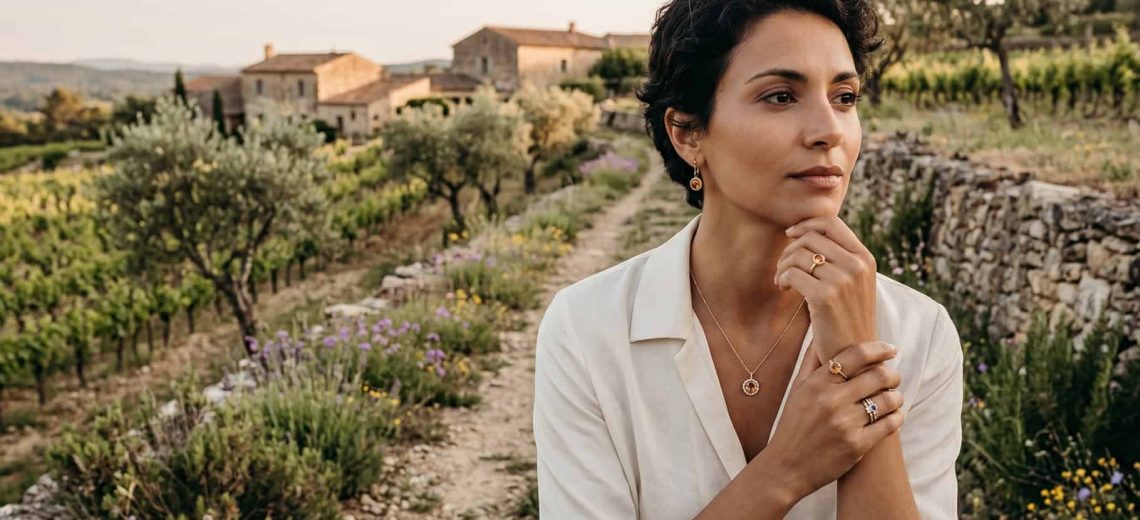
TreasureTrade: a custom B2B webshop for a silver jewelry wholesaler
View caseDesigned for how people choose in Hilvarenbeek
Hilvarenbeek combines a village center, farming, and leisure around the Beekse Bergen. Customers mix local visits with online decisions, often on a phone and often in the evening.
The design follows that behavior. Key information stays visible without scrolling, and the actions you want most, calling, booking or requesting, never leave the screen.
A site around Hilvarenbeek you can change yourself
Prices change, a season starts, a vacancy opens. If every edit needs an agency, your site slowly drifts away from reality.
We build in blocks you edit yourself. That is how Demt-Flex B.V. in nearby Tilburg keeps its own pages current without waiting on us.
Your current website
- A website that exists but does not deliver
- Visitors arrive and leave
- Content and technology fall behind
- Your competitors are easier to find
Your website with JKC
- A website that brings in the right opportunities
- Visitors understand, trust and take action
- A platform your team can keep current
- A stronger foundation for visibility in search and AI
Designed around the people you want to reach
Your customers do not experience your website like you do. They arrive with a question, a problem or a decision to make. Good web design starts there. For a growing business, that may mean quickly showing what you do, why you are reliable and how a customer can get in touch. For a marketing manager, it may mean balancing a strong brand with clear information, internal requirements and measurable results.
That is why the process begins with understanding your business, your goals and your audience. The result is not a generic template with your logo added. It is a website design that fits the way your customers think, search and choose.
Clear choices lead to more action
People should never have to work hard to understand your website.
Clear navigation, strong page structure and the right visual hierarchy help visitors focus on what matters. They can recognise themselves in your story, find the information they need and take the next step without getting lost.
This is where UX and UI design come together. UX design focuses on how easily people can use your website. UI design focuses on how the website looks and feels while they do it.
Together, they create an experience that feels natural. That matters because a website that is easy to use gives visitors fewer reasons to leave.
From first idea to a website that works
Your project starts with a Growth Check. In this free 30 minute online session, you will discover where your biggest opportunities are in visibility, conversion and smarter processes. From there, the right route becomes clear.
A fully custom website gives you maximum freedom to build around your goals, brand and audience. For a new concept or a more straightforward project, starting with proven building blocks can be a smart way to get online quickly while keeping room to grow.
Either way, your website design is shaped around what your business needs now and where you want to go next.
Frequently asked questions
Websites start at EUR 4,500. Most SME projects land between EUR 6,000 and EUR 9,000, and bigger ones between EUR 10,000 and EUR 15,000.
Three things move it: how many genuinely different page templates you need, whether the site has to talk to another system, and how much of the content still has to be written. Design hours are rarely the difference. A ten-page site with one template is cheap; a five-page site that has to pull live data is not.
WordPress is the content management system behind more than 40% of the web. We use it as a foundation, not as a template: you edit your own pages, and underneath sits an architecture built to your requirements that can talk to your other systems.
Because it is open source, the platform is yours. You can take it anywhere, with or without us.
Most projects go live within three to eight weeks, depending on how much has to be built and how quickly the content is ready.
The roadmap puts a date on it before we start, and at every step you can see where we are against it.
Yes. Every page is built out of blocks you edit yourself, and you get a walkthrough at handover. What you would rather leave to us, we keep doing.
Often, yes. We run a technical audit first: security, speed, structure, and whether the build can carry what you want to do next.
If it can, we take it into maintenance as it is. If it cannot, you get a straight answer about what needs fixing before that makes sense.
-
Call us directly
-
Prefer email?
General inquiries
info@jkc.mediaService & Support
service@jkc.media -
Social media