
What often plays out
-
Several audiences at once: students, parents, course participants, and the staff you need to hire.
-
An offer nobody can compare, because duration, level, group size and price are not on the card.
-
Multiple locations or schools that each want their own voice, on a budget that allows one team to maintain everything.
-
Documents that matter — a school plan, an annual report, a curriculum — locked inside a PDF nobody opens.
A parent, a student and a future colleague, all deciding on the same page
We put the offer in a form people can compare. Every course or programme on its own page, with duration, level, group size and price where a visitor can see them before clicking, so the site is a catalogue instead of a brochure. See websites.
Where there are several schools, locations or brands, we put them on one shared base with a child theme each. Every school keeps its own design and its own words; the layer underneath is identical, so editing one works the same as editing another and one team can run them all. See websites and digital strategy & roadmap.
Enrolment and registration happen on the page, not in an email thread. And your documents become readable in the browser instead of a download nobody finishes. See system integrations.
Client example
Like at OMO Scholengroep Helmond, where four schools with around 4,000 students between them share one WordPress base while each keeps its own site and profile, and the school plan, the school guide and the annual reports open in the browser instead of downloading. Or EDUCIS, where ten courses each state their duration, level, group size and price on the card.
Cases in Education & training
-
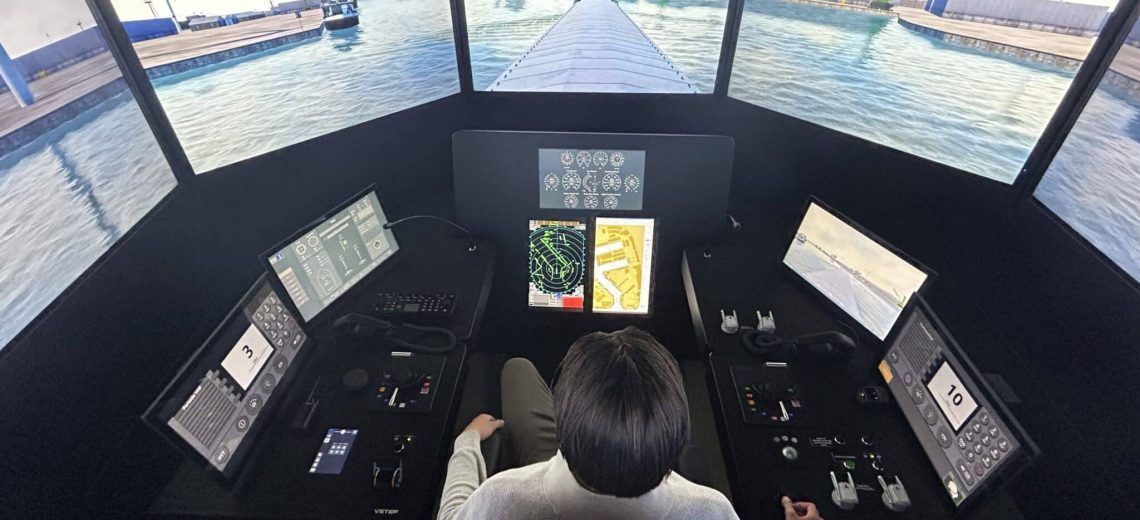
EDUCIS: simulator training for inland shipping, priced per course
-
Uniform and unique: a website per school for OMO Scholengroep Helmond 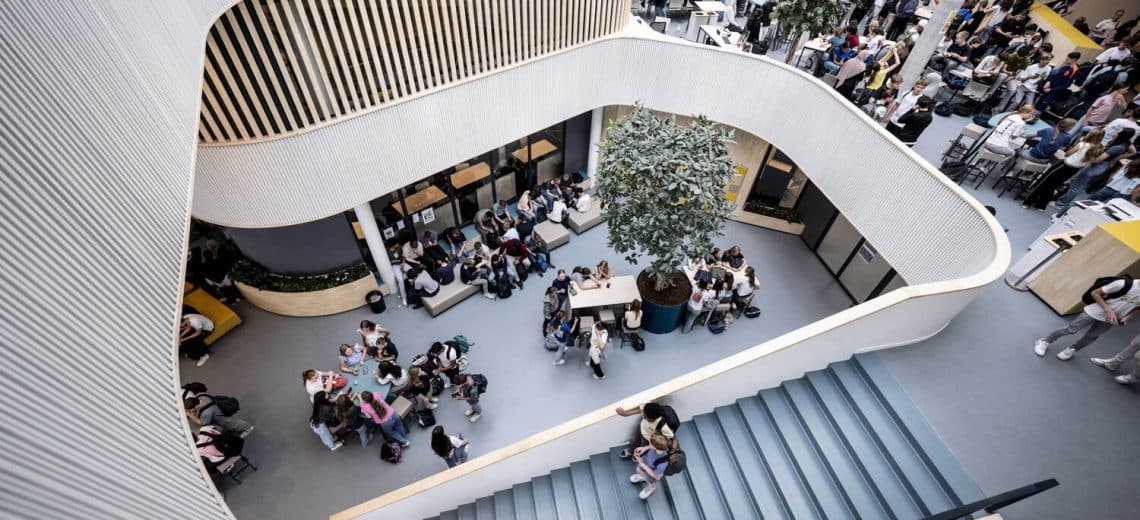
Uniform and unique: a website per school for OMO Scholengroep Helmond
View case -
Learning by simulation: VSTEP makes it happen 
Learning by simulation: VSTEP makes it happen
View case