

Creating content is very important these days for keeping your audience up to date on the activities around your company. But once that content has been created, you have to start distributing it. And that is in fact just as important as producing your stories.
Multiple channels
There are a huge number of channels for distributing your content. Examples are a blog on your website, an update on Twitter or an email to colleagues. In Content Playbook, media coach Carolien Vader divides the channels into four types: print, online, newsletters and social media. You can choose to focus on one of these channels, but to reach more people it makes more sense to publish your content on several channels.
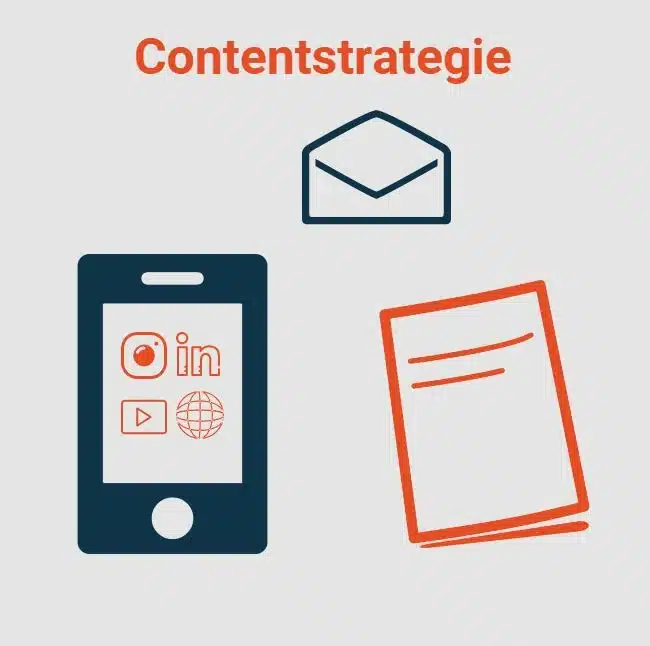
Imagine your company is attending a big (online) event. A few days beforehand you can publish a post on your website to let visitors know you will be there. On the day of the event itself you take a nice photo of the venue and post it on Instagram. You can also choose to tweet updates, for example when you have had a good conversation with a visitor or another business owner. And finally, in your monthly newsletter you can write a piece about how successful the event was.
Characteristics of channels
Every channel has certain characteristics and with them advantages and disadvantages. Distribution through print, for instance, is not always the most effective way to get attention for your content anymore. Even so, people still see reading a magazine, say, as a moment of indulgence, Carolien Vader explains in Content Playbook (Vader, 2019). It is also important to find out how your audience feels about print. The NOM Print- en Doelgroep Monitor 2020 shows that 86% of people aged 65 and over read magazines on paper. The research also shows that on average 72% of Dutch people over the age of thirteen read magazines in print. So do not write this channel off too quickly. Print might well be a good way to get your content across to your audience. Online channels such as your website, social media channels or newsletters have different characteristics. The supply of online content is enormous these days, so it will be harder to hold your readers’ attention. A good user experience, such as your website loading quickly, can help bring visitors back to the platform (Vader, 2019). A newsletter keeps existing and new customers informed about your company’s activities, which makes them feel connected and involved. Make sure you know exactly what your visitors and customers value.
Social media
Research by the Content Marketing Institute in North America shows that, at 93%, social media are the most widely used channels for distributing content (B2B Content Marketing: 2016 Benchmarks, Budgets, and Trends). Platforms like Twitter, Instagram, LinkedIn, Facebook and YouTube can be a real help in reaching your audience. Each of these platforms is used in a different way. LinkedIn, for example, is more intended for business posts and news, while Instagram focuses on photography. You can play into that nicely with your content, as we showed in the event example.

To get a clear picture of when you want to publish which content and where, a solid content plan is essential. That plan sets out exactly which channels you use and what your content consists of. It also helps to automate the publishing process, for example with Hootsuite.
Setting up a content strategy
After reading this article you can get started on setting up your content strategy. Decide which channels you are going to use and what kind of content you are going to publish on them.
Need help creating content, for example with blogs on your website? We are happy to help you with that. Get in touch to see what we can do for you and your company when it comes to content creation.
Follow us on social media too, so you stay up to date on our news and regularly get useful tips and interesting articles in your timeline.


